
Are Carbs Bad for Weight Loss? The Truth About Potatoes, Fruit, and Real Balance
If you’ve ever said, “I love carbs!” and immediately felt like you were doing something wrong, you’re not alone. Carbohydrates have been one of the most “demonized” foods in weight loss culture for decades, leaving many women confused, frustrated, and afraid to eat foods they genuinely enjoy.
One of the most common questions I hear from clients is, “Are carbs bad for weight loss?” And honestly, the worry goes even deeper than just bread or pasta. I hear from so many women who are nervous about eating fruit, too. They ask if they need to cut back on bananas, apples, or berries just to see the scale move.

Here’s the truth: carbs are not the enemy. In fact, your body actually prefers carbohydrates for energy. Cutting them out completely usually backfires, especially if you’re a busy woman juggling work, family, and everything else life throws at you. Sustainable weight loss is about finding balance while creating a moderate calorie deficit, not restriction.
In this article, I’ll walk you through what carbs really are, why they’ve gotten such a bad reputation, the difference between simple and complex carbs, and how carbs actually work in your body. I’ll also share how to portion carbs in a way that feels good, so you can enjoy your favorite foods without guilt or fear. Most importantly, you’ll learn how to include carbs in your meals and still see progress, without feeling deprived.
Key Takeaways
Carbs are not inherently bad for weight loss.
Carbohydrates are your body’s preferred fuel source.
Simple and complex carbs affect hunger and energy differently.
Carbs from fruit are not bad for weight loss when eaten in balanced portions.
You can lose weight while eating carbs by focusing on balance, not restriction.
Why Carbs Get a Bad Reputation
Carbohydrates didn’t get a bad reputation because they’re actually harmful. Diet culture just needed something to blame that makes weight loss “impossible,” and carbs became the easy target.
Over the years, carbs have been blamed for everything from weight gain to low energy and even lack of willpower. Low-carb and no-carb diets (like keto) became popular because they promise quick results, and sometimes you DO see the scale drop fast while on these diets. But those results are often misunderstood, as they are rarely sustainable long-term.
When you drastically cut carbs, your body lets go of stored water along with glycogen. This can make the scale drop quickly, but it’s not the same as losing body fat. After a while, your energy drops, cravings go up, and it gets harder to manage hunger.
Another reason carbs get a bad rap is that all carbs are often treated the same. For example, a cookie and a potato are often put in the same category, even though they’re completely different in terms of nutrition and how they affect your body, as well as how they are digested and used as energy. This kind of thinking creates unnecessary fear and can make you avoid foods that would actually help you feel more satisfied and energized.
What ARE Carbs?
Carbohydrates are one of the three main macronutrients, along with protein and fat. Their main job is to give your body energy.
Your brain needs glucose from carbs to work well. Your muscles also use carbs for energy during workouts and everyday movement. When you have enough carbs, your body runs smoothly. But if you cut carbs too low, your body starts to slow down things it doesn’t need for survival, like fat loss.
If you’re juggling work, family, stress, and not getting enough sleep, cutting carbs too low can feel especially tough. You might notice low energy, brain fog, irritability, or even thinking about food all the time. These are all signs your body may need more carbs.
That’s why cutting out carbs completely usually leads to burnout, not lasting weight loss.
Simple Carbs vs. Complex Carbs
Knowing the difference between simple and complex carbs is a big part of the puzzle. Let’s break it down together so you can feel confident about your choices.
Simple Carbohydrates
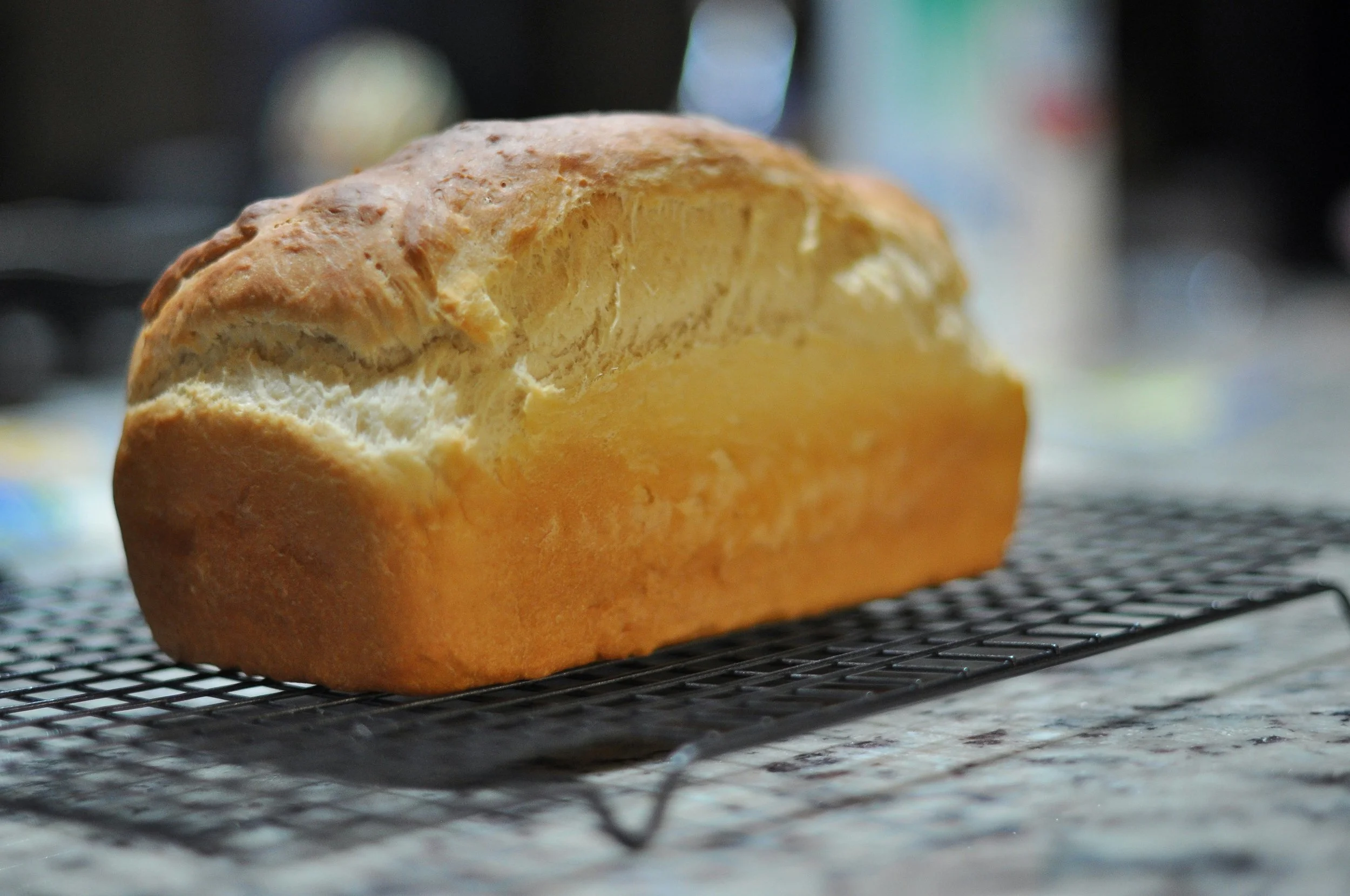
Simple carbs are digested quickly and can cause your blood sugar to spike, then crash. They usually don’t have much fiber or many nutrients.
Common examples include:
White bread and refined pasta
Pastries, cookies, and candy
Sugary cereals
Sweetened drinks and sodas
Please note, I’m not suggesting that these foods are “bad.” ALL foods (including simple carbs) can be enjoyed in moderation while on a health and weight loss journey. However, they’re much easier to overeat and often leave you feeling hungry again, not long after you eat them.
Complex Carbohydrates
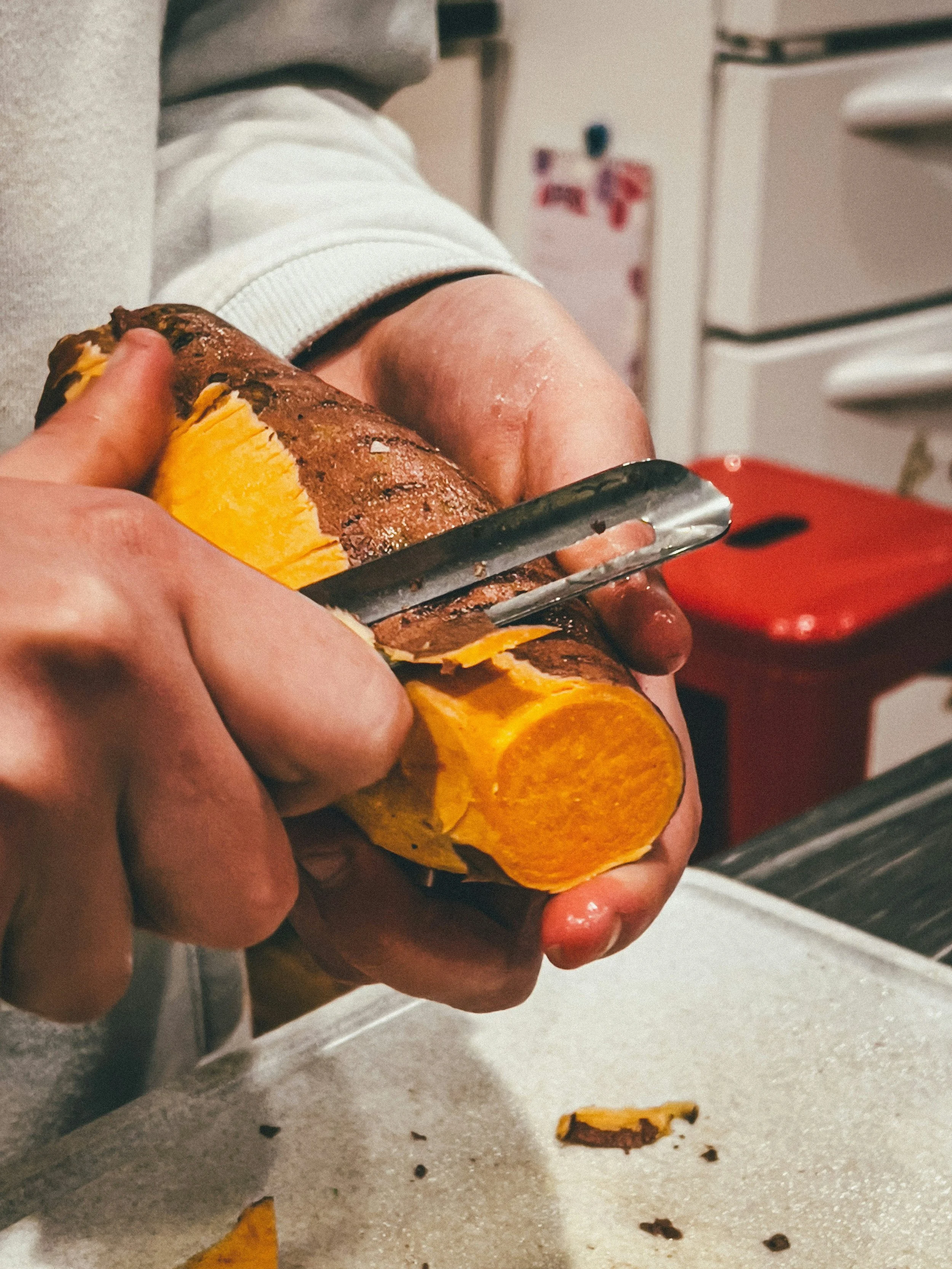
Complex carbs take longer to digest because they contain more fiber and nutrients. They help keep your blood sugar steady while helping you feel full for longer.
Examples include:
Potatoes and sweet potatoes
Fruit
Oats, rice, and quinoa
Beans and lentils
Complex carbs give you steady energy throughout the day and help you control your appetite, which makes them much more helpful for weight loss.
How Carbohydrates Affect Your Body
Carbohydrates are important for how your body works every day. When you eat carbs, your body turns them into glucose, which you use right away for energy or store in your muscles and liver for later.
As we’ve discussed, complex carbs digest slowly, leading to:
Steadier energy levels
Fewer blood sugar crashes
Reduced cravings
Better workout performance
Simple carbs digest quickly and can be helpful in certain situations, like before or after a tough workout or at a special event. But if most of your carbs come from these foods, you might notice more energy crashes and more hunger.
This is why carbs themselves aren’t bad for weight loss. What matters most is the type of carbs you choose, how often you choose them, how much you eat, and when you eat them.
Are Carbs From Fruit Bad for Weight Loss?
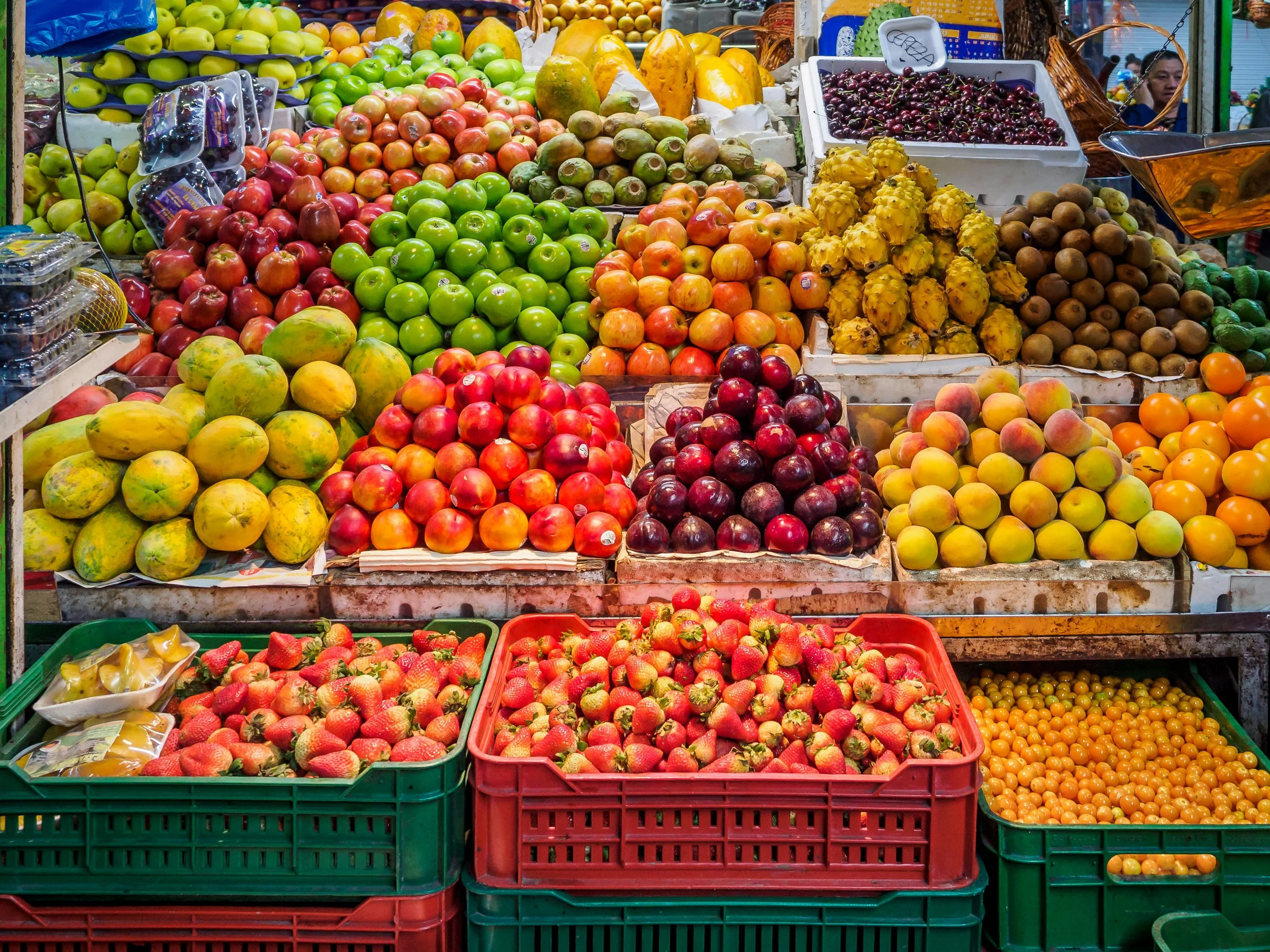
This is one of the biggest fears I hear from clients, and it’s also one of the most misunderstood topics out there.
Before I dive in, I want to make this crystal clear: carbs from fruit are not bad for weight loss.
Fruit does contain natural sugar, but it also comes packed with fiber, water, antioxidants, and important vitamins. All of these slow down digestion and help keep your blood sugar steady, which is very different from how processed sugary foods work in your body. Plus, it’s important to remember that the sugar in fruit is fructose, which is a completely different molecule from table sugar (sucrose) that is found in desserts.
Eating fruit regularly has been associated with:
Better appetite regulation
Improved digestion
Higher overall diet quality
If you’ve ever been told to avoid fruit because it’s “too sugary,” know that this advice comes from diet culture, not real nutrition science.
How to Portion Carbs Without Fear
Instead of cutting out carbs, focus on choosing portions that actually support your goals and fit your lifestyle.
A general guideline:
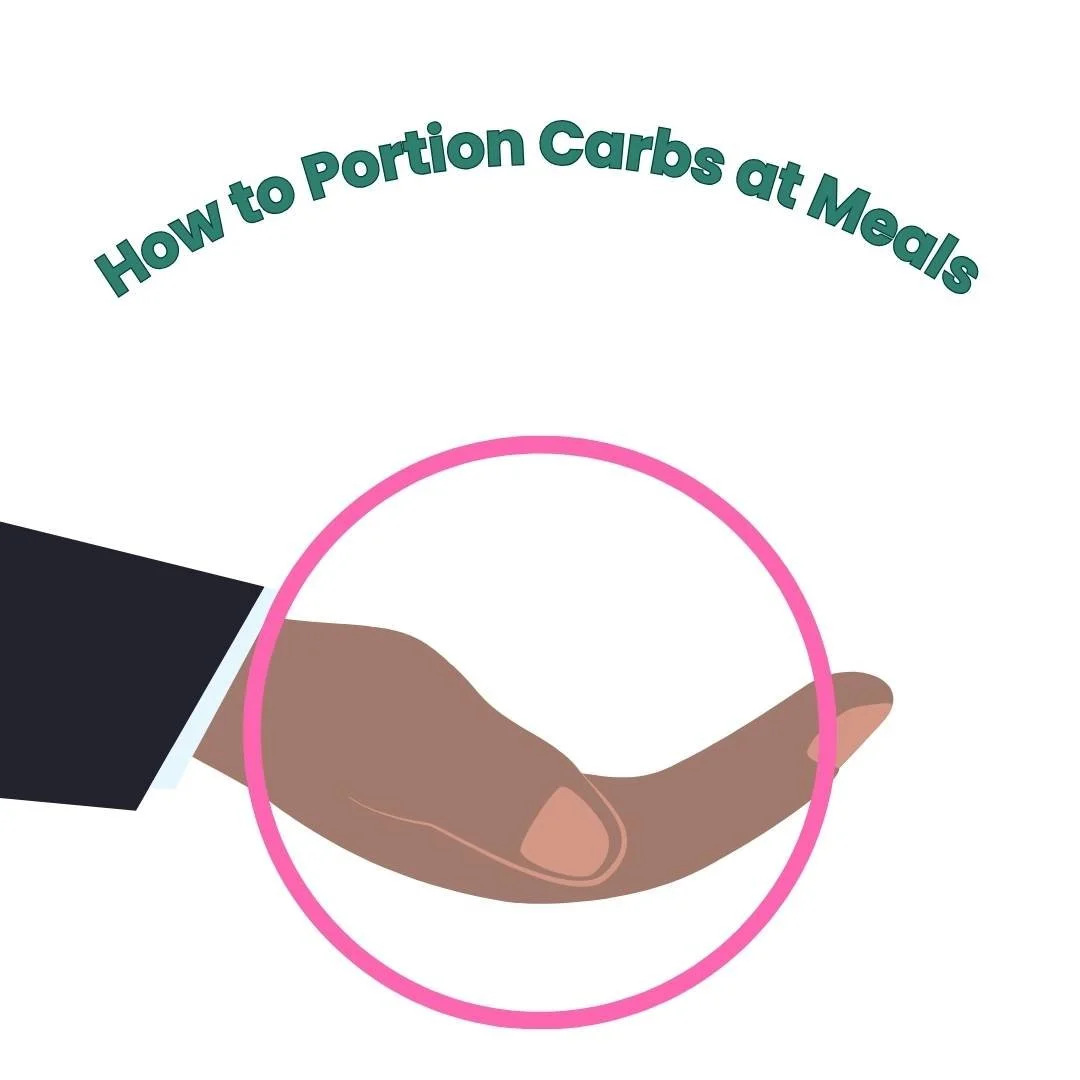
Try aiming for about half to one cupped-hand portion of carbs at each meal. Adjust this based on how active you are, your hunger, and your energy needs.
The 80/20 Carb Approach
One of my favorite sustainable strategies is the 80/20 approach:
80% of the time, prioritize 1-2 cupped handfuls of complex carbs like potatoes, fruit, whole grains, and beans at each meal
20% of the time, enjoy 1-2 cupped handfuls of simple carbs without guilt or rules at meals
This approach helps you let go of the all-or-nothing mindset that keeps so many women stuck. You don’t have to be perfect to see results: you just need to be consistent and to keep portions in check.
How Carbs Fit Into a Healthy Relationship With Food
Completely cutting out carbs can feel empowering at first, like you’re finally taking control… But for many people, it ends up backfiring. When foods are labeled as “off-limits,” they tend to take up more mental space, bring on guilt when you do eat them, and often lead to overeating later.
Think about it this way: if I asked you to think of any animal except a hot pink elephant… what pops into your head? Probably a hot pink elephant. Food restriction works the same way – the more you try not to think about something, the louder it becomes.
A healthy relationship with food means having the flexibility to enjoy all foods, including carbs. Here are some ways to build confidence with carbs:
Pair carbs with protein and fat to create balanced meals
Include carbs at meals where you need energy and focus
Eat carbs you genuinely enjoy (in correct portions) so you don’t feel deprived
Weight loss is much more sustainable when your food choices support both your body and your mindset.
If you want help building balanced meals without having to track every bite, my personalized nutrition coaching can help you create a plan that truly fits your life.
Final Thoughts
So, are carbs bad for weight loss? No! And carbs from fruit are not bad either. When it comes to weight loss, overall calorie intake is most important, not necessarily your carb intake.
What really gets in the way is fear-based dieting, extreme restriction, and thinking you have to cut out foods to see results. Sustainable weight loss comes from learning how to eat carbs in a way that supports your energy, hunger, and consistency.
You don’t have to give up potatoes, fruit, or any carbs you love. You just need the right balance and the confidence to trust your body again.
👉 Ready to stop dieting and start fueling your body with confidence?
